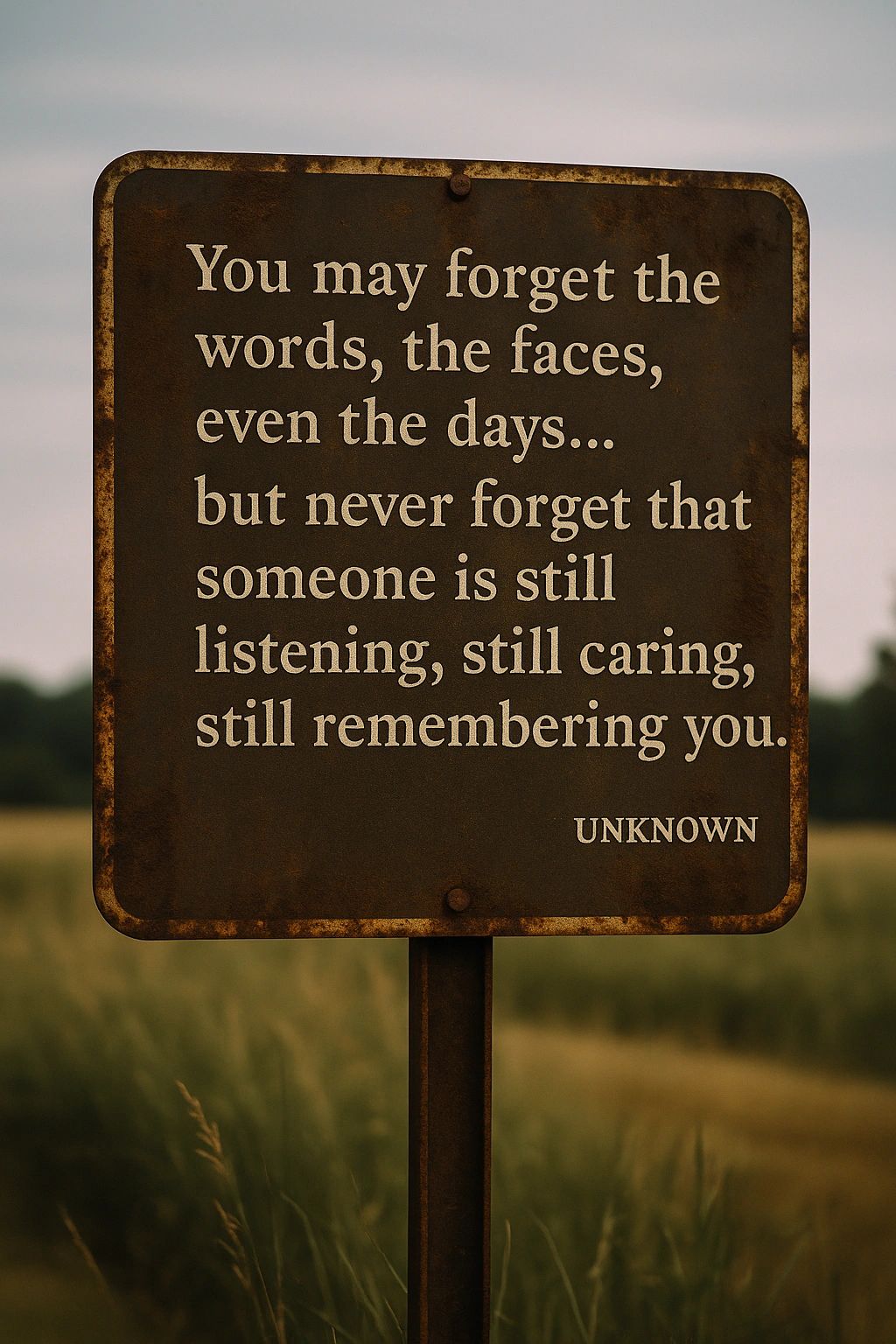
How Connection Slows Dementia
At VoiceOfReason.ai, we believe technology can do more than assist memory—it can heal loneliness, rebuild ties, and slow the course of cognitive decline. Because the clinical evidence is clear: loneliness isn’t just sad—it accelerates dementia, worsens Alzheimer’s, and degrades quality of life.
The Clinical Evidence
We’ve shared previously that social isolation and lack of engagement increase risks of:
- Faster memory deterioration
- Greater prevalence of Alzheimer’s and related dementias
-
More severe symptoms once dementia sets in
A statistic that underscores this: By 2030, almost half of women aged 25–44 will be single — for the first time in history. This isn’t just about romantic relationships, but what that single status often means: fewer close confidants, weaker social support, and greater loneliness.
A related data point for men: according to Pew Research, 63% of U.S. men under 30 report being single, compared to 34% of women in the same age group. Vox+1
These are warning signs. If connections don’t evolve, loneliness becomes a structural risk factor—especially for aging, dementia, and brain health.
The Purpose Behind Biographer (soon to have a new name)
We developed our first product under the code name “Biographer” but have come to see that name limits what this technology aspires to be. It’s not just about preserving memories—it’s about creating new friendships, sparking engagement, and sustaining identity.
Biographer Alpha (preliminary testing) is a voice-aware AI memory companion that:
- Listens to real-life conversations in real time (when invited)
- Understands what matters — health changes, family updates, shifts in routine
- Encourages during confusion or lonely moments
- Captures meaningful life moments using AI judgment
- Builds a living, evolving biography — grounding people in identity, continuity, and connection
This isn’t a smart speaker. It’s a compassionate, memory-aware system designed to adapt to the human behind the voice.
We are exploring new names that better capture this mission. Some possibilities:
- FriendMaker
- MemoryBridge
- YourCompanion
- Chronicles
We’d love your ideas too—what would you call an AI that helps remember what matters and fight loneliness?
Vignettes: People, Connection, Discovery
To illustrate how this product becomes a bridge in everyday life, here are three short stories. Picture these moments unfolding with the product (whether we call it “FriendMaker,” “MemoryBridge,” or something else).
1. Mary, Ralph, and Emily — Rebuilding Family Connection
Mary (72, early Alzheimer’s) often feels distant from her younger brother Ralph who lives states away. Their conversations are rare, fragmented by memory gaps. Emily, Mary’s daughter, worries as Mary withdraws.
One day, Biographer gently reminds Mary: “Ralph’s birthday is coming up—do you want to call him?” Mary agrees. During the call, when Mary hesitates, Biographer offers: “Mary and Ralph used to pick lemons from the tree at Euclid Drive every summer—remember?” Ralph laughs, Mary smiles. After the call ends, Emily drops in, and Biographer shares what came up: the joke about lemonade, the shared summer. Emily uses that to continue the stories. Memory, distance, and isolation momentarily fade.
2. Marcus and His Wednesday Walkers
Marcus is 60, recently widowed. His social circle has shrunk. He signs up for a weekly walking group: “Wednesday Walkers.” He’s kind but struggles to find new topics beyond the weather.
Biographer listens over Saturdays when Marcus recounts the walk: the jokes, the new paths he discovers, the birds he sees. During the next walk, when Marcus feels left out of a conversation, Biographer suggests a topic: “Marcus, didn’t Linda mention the blue jay you saw last week? Maybe you can tell them about it.” He does. Others lean in. Marcus begins to feel part of the group again—he anchors his contributions, remembers the natural details, and builds new friendships.
3. Carmen, Remote Friendships, and Memory Lanes
Carmen is 45, living in a small town. She used to have dozens of friends but many moved away after college. Her best friend, Jasmine, lives across the country; their voices connect over video, but time drifts between calls.
One afternoon, Carmen asks Biographer to record her chat with Jasmine. The system picks up moments: when Carmen recalls a concert they attended, when Jasmine shares new-job stress. Biographer later plays back a “Memory Highlight” during lunch: “You two laughed about parking chaos at that concert in 2012.” Carmen messages Jasmine: “I was just thinking about that night—remember the song we danced to?” The conversation rekindles. The friendship isn’t lost—it evolves.
Why Stories Like These Matter
These aren’t just feel-good tales. They show an AI not merely keeping logs, but facilitating connection:
- Helping people reconnect with lost parts of self
- Enabling new friendships or stronger existing ones
- Soothing loneliness that compounds with age, illness, distance
- Potentially slowing the progression of dementia by keeping minds engaged, memories alive, and relational ties strong
Your Voice, Your Name, Your Choice
We’re building this together. If this product (formerly “Biographer”) becomes a bridge in your life, what do you want to call it? What feelings, values, or images should its name evoke?
Here are some more suggestions to inspire:
- EchoFriend
- SoulLink
- HeartEcho
- ConnectWell