The Silent Cost of Inaccessibility—and How We're Tackling It with Biograph
The global long-term care (LTC) sector is booming, now surpassing $1.6 trillion. But amid staffing shortages, rising costs, and surging demand, a quieter crisis is brewing—inaccessibility. The kind that forces residents to ask for help with the simplest things: reading a menu, remembering a name, or finishing a thought.
As the team behind Biograph (our codename for the Biographer product now in alpha), we believe these daily moments matter. Not just because they pull caregivers away from clinical tasks, but because they isolate people. They reinforce dependency. And over time, they push individuals closer to full-time care, often years before it’s truly needed.
Echoing the Vision of Accessibility Tech
We recently came across a powerful post from Be My Eyes that struck a chord. It focused on how visual accessibility technology empowers LTC residents, enabling them to reclaim small but critical parts of daily life—like checking the time or navigating their space. One resident’s question might take 2 minutes of staff time, but when compounded across a day and dozens of residents, the operational cost is enormous. And so is the emotional toll of repeated helplessness.
We applaud Be My Eyes for addressing a key part of the accessibility equation: vision. It’s an essential step toward independent living.
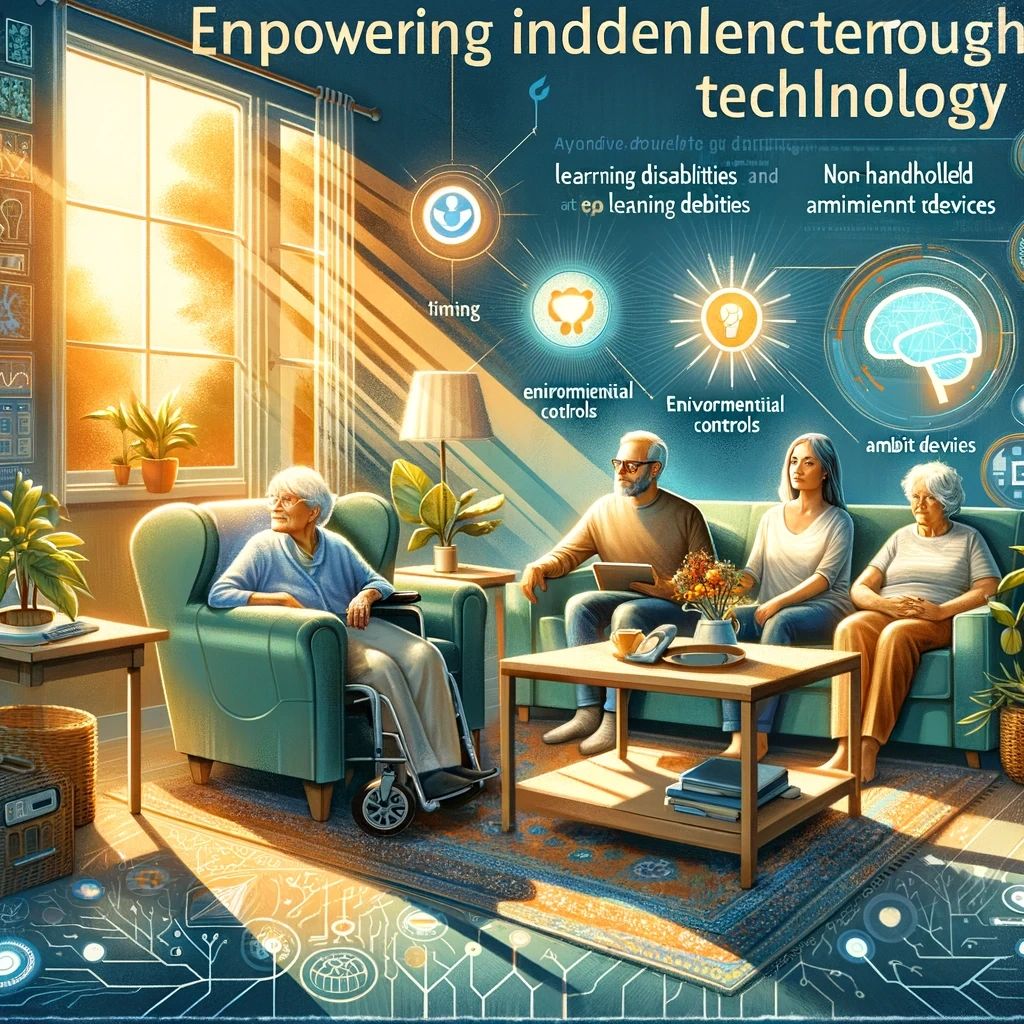
At Voice of Reason, we’re addressing another dimension—cognitive accessibility. With Biograph, we aim to support those living with Alzheimer’s, traumatic brain injuries, or learning disabilities, helping them remember who they are, what they’ve done, and who they love. That story—their story—is the key to unlocking greater agency in their daily lives.
What is Biograph?
Biograph is more than memory support—it's a personal AI biographer trained to listen, organize, and recall life events in real time. Its goal? To preserve the person behind the diagnosis.
We’ve built a layered system, tested in real conversations, that listens through speech-to-text, interprets meaning with real-time AI agents, stores significant events, and then brings them back when needed. This system has the intelligence to recognize a grandchild’s birthday, filter out irrelevant small talk, and bring up that birthday story the next time someone asks about the family.
For someone with memory loss, this isn’t just helpful—it’s life-changing.
A Moment That Says It All
We’ll never forget one of our early alpha users—John, a former math teacher now navigating early-stage Alzheimer’s. One quiet afternoon, he asked, "Did I ever teach anyone who became something special?"
Biograph paused just a moment before gently replying,
"Yes, you told me about Elena—she became a physicist. You said she used to stay after class to work through extra problems with you. You called her a ‘quiet genius.’”
John smiled, tears welling.
"I remember her. She sent a letter once... I think I still have it."
That single memory, recalled and reinforced, changed his whole posture. He wasn’t just a man in a memory care facility—he was someone who had shaped lives. Someone who mattered.
In that moment, loneliness gave way to legacy.
Biograph is Our Cornerstone
This first product is just the beginning. It’s the cornerstone for a full ecosystem of assistive AI that can:
- Ease loneliness by supporting meaningful conversation with each other
- Reduce caregiver interruptions with intelligent memory recall
- Extend independence, delaying entry into high-care facilities
-
Preserve dignity, one interaction at a time
As we move into alpha testing, the feedback we’re hearing already affirms our thesis: connection is care. People don’t want to just be safe—they want to be known. To feel seen. To feel understood.
From Eyes to Voice, from Isolation to Inclusion
The post from Be My Eyes highlighted that accessibility technology isn't a niche add-on—it’s an ROI driver, a staff morale booster, and a quality-of-life transformer. We couldn't agree more.
By giving people the tools to help themselves—even in small ways—we reduce burden on overtaxed staff and return time to where it matters most: emotional care, human connection, and trust-building.
We’re building Biograph to do just that. And as we look ahead to our 2026 launch under its official name, we remain grounded in our mission:
To create a safer, more supportive world for those navigating brain function loss.
If you're in LTC, accessibility tech, or assistive AI—and you believe in empowering people to live more independently—we’d love to connect.
Stay tuned.
Biograph is listening.
And remembering.